The Literacy Problem 

Today in 2025, almost 20% of the world is functionally illiterate.​

That’s over 1.5 billion people.

Just think what they'd all say if they had access to the opportunities we do.

20% of the human population, suddenly able to learn, contribute, innovate, vote and be heard.

Here is the root of the problem …

Think back to another time of unequal opportunity, in America in the 20th century, and what came out of that.

The blues. The spirituals. A movement that formed modern music today. 

What if that could happen again? What stories could 1.5 billion people tell? An explosion of new voices, creating something wonderful.

But this is not just a problem in developing countries. According to the National Center for Educational Statistics (NCES), 21 percent of adults in the United States (about 43 million) fall into the illiterate/functionally illiterate category.

8020 aims to address this literacy problem wherever it rears its head.

And we do it in a way that’s never been done before.

Offworld 8020, in conjunction with the Solomundo Foundation, has developed a book that teaches kids they don't need to skip school to carry on making a little money for their families.

Samuel is a magical boy, who our heroes find at the local Dandora dumpsite in Nairobi as they scavenge for something of value.

He takes them on a trip to different places, different times and shows them things they would never forget, shows them worlds they couldn't imagine.

Can the kids use their new knowledge to change the lives of all of their families?

Korogocho (Trailer)

Set in a slum of Nairobi, Kenya, called Korogocho. 200,000 people, squeezed into about half a square mile.

We get stories from people who can't read or write. Then we write a fun kid's book, based on those stories, and some of the local kids we talked to even star in the story. 

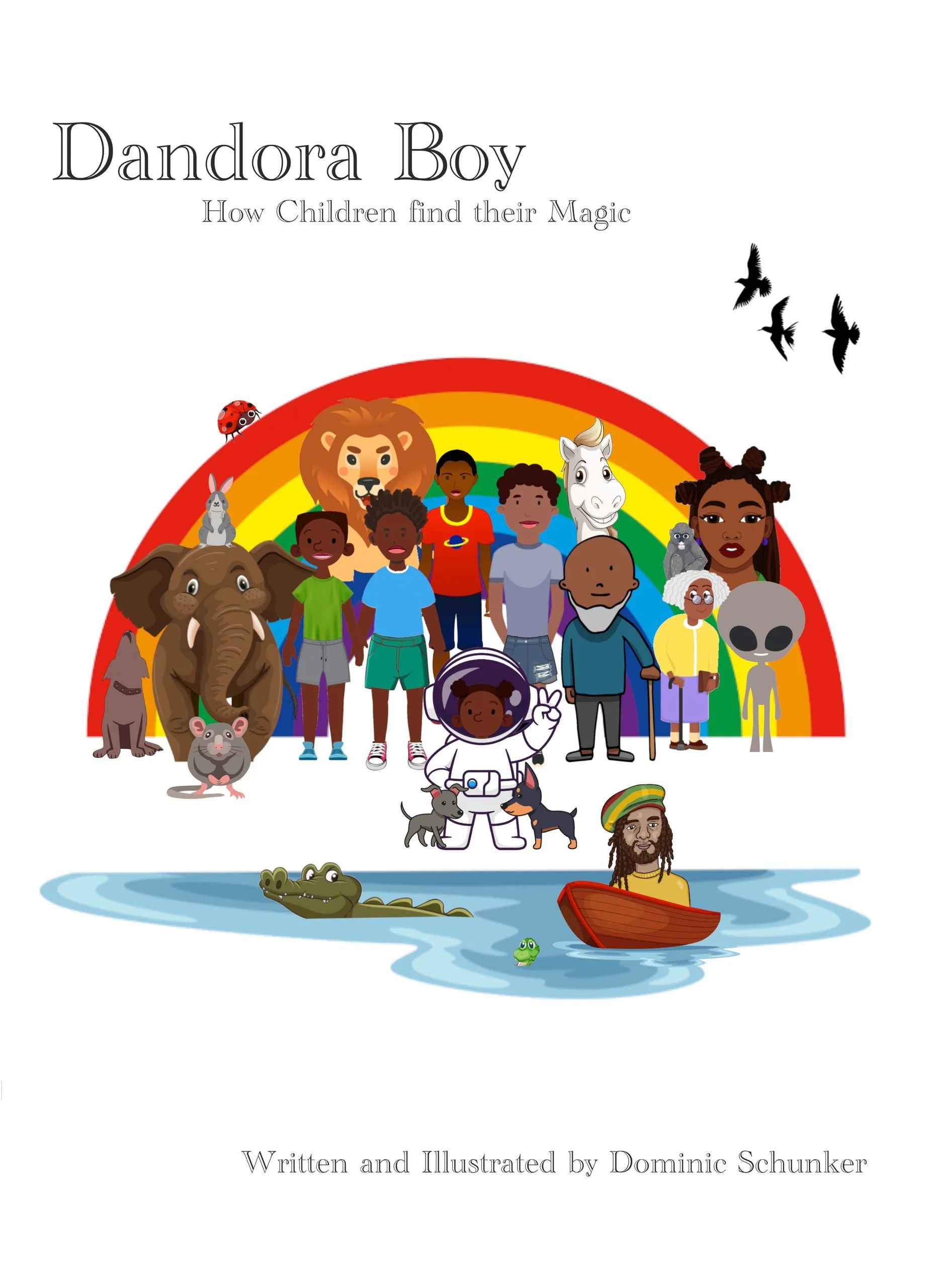
Our story for the kids of Korogocho is called, “Dandora Boy.”

It’s a unique solution… with a little bit of magic thrown in.

We teach them using their own stories.  

Kids get really invested in a story if they recognise themselves and their lives in it.  

They also get invested by doing what the book suggests they do during their normal day. Drawing pictures (including pictures of words) and counting, and learning to understand what’s around them every day in a different way.

They can do all of this without interrupting their normal day… and they can even earn money doing it.

Korogocho (Movie)

Talk to us about Donating to 8020